
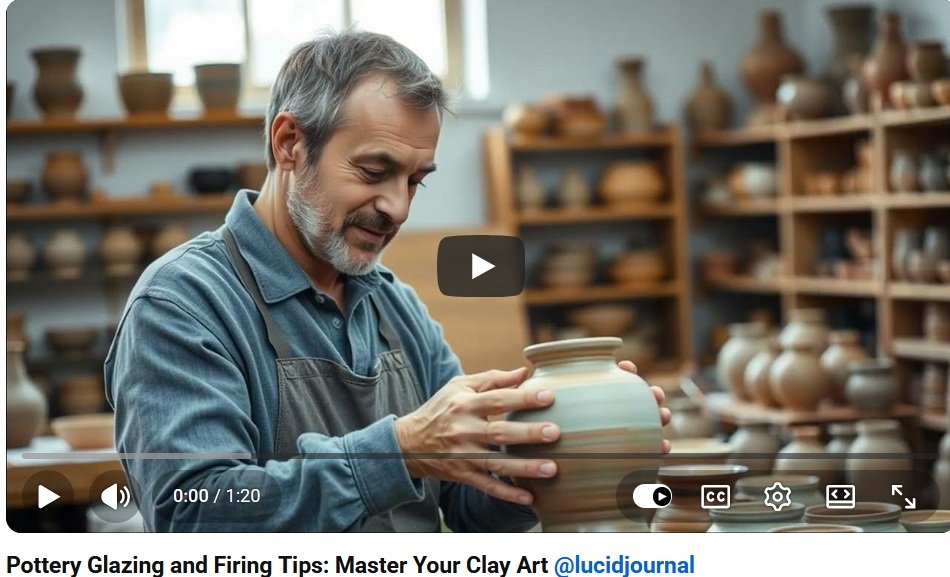
Pottery is more than shaping clay into bowls, mugs, and vases. It is a creative art form that teaches patience, design, balance, texture, and problem solving. Whether you are a beginner learning your first pinch pot or a growing ceramic artist ready to improve your skills, mastering the right pottery techniques can help you create stronger, more beautiful, and more original ceramic pieces.
For students and artists visiting 3DArtSchool.net, pottery offers a hands-on way to understand three-dimensional design. The same artistic thinking used in pottery can also support sculpture, 3D modeling, product design, animation, and digital art. These 10 essential pottery techniques will help you build a strong foundation in ceramic art.
1. Wedging Clay
Wedging is one of the first pottery techniques every ceramic artist should learn. It is the process of kneading clay before shaping it. Wedging removes air bubbles, evens out moisture, and prepares the clay for hand building or wheel throwing.
If clay is not wedged properly, trapped air pockets may cause weak spots or problems during firing. Beginners should practice wedging slowly and consistently until the clay feels smooth, even, and ready to use.
2. Pinch Pot Technique
The pinch pot technique is one of the simplest and oldest methods of making pottery. To create a pinch pot, start with a ball of clay, press your thumb into the center, and gently pinch the walls outward and upward.
This technique helps beginners understand clay thickness, pressure, shape, and form. Pinch pots can become small bowls, cups, planters, candle holders, or decorative vessels. Even advanced ceramic artists use pinch techniques to create organic, handmade forms.
3. Coil Building
Coil building is a pottery technique that uses long ropes of clay stacked and joined together. Coils can be smoothed into the surface or left visible as a decorative texture.
This method is excellent for making vases, jars, pots, sculptures, and large forms. Coil building gives artists more control over height and shape than simple pinch pottery. It also allows for creative curves, patterns, and expressive surfaces.
4. Slab Building
Slab building uses flat sheets of clay to construct ceramic forms. Artists roll out clay slabs and cut them into shapes that can be joined together. This technique is useful for making boxes, trays, tiles, wall art, plates, and architectural forms.
For students interested in 3D design, slab building is especially valuable because it teaches structure, measurement, edges, and construction. It is one of the best pottery techniques for creating clean geometric shapes.
5. Scoring and Slipping
Scoring and slipping are essential for joining pieces of clay together. Scoring means scratching the surface of the clay where two pieces will connect. Slip is a mixture of clay and water that acts like glue.
When attaching handles, coils, decorations, or slab pieces, scoring and slipping help prevent the parts from separating as the clay dries or fires. Beginners should never skip this step when joining clay pieces.
6. Wheel Throwing
Wheel throwing is one of the most recognized pottery techniques. It uses a spinning pottery wheel to shape clay into rounded forms such as bowls, mugs, cups, plates, and vases.
The first challenge in wheel throwing is learning how to center the clay. Once the clay is centered, artists can open the form, pull up the walls, shape the piece, and trim it after it becomes leather-hard.
Wheel throwing takes practice, but it is deeply rewarding. It teaches control, symmetry, hand coordination, and patience.
7. Trimming and Refining
Trimming is the process of removing extra clay from a piece after it has partially dried to a leather-hard stage. This technique helps refine the shape, reduce weight, create foot rings, and improve the overall balance of the pottery.
Trimming is commonly used after wheel throwing, but it can also improve hand-built pieces. A well-trimmed piece often feels more professional and finished.
8. Carving, Incising, and Texture
Surface design is an important part of ceramic art. Carving and incising allow artists to cut lines, patterns, images, or textures into the clay surface. Texture can also be created with stamps, fabric, leaves, tools, or found objects.
This pottery technique adds personality and visual interest to ceramic pieces. A simple bowl can become a unique work of art when decorated with thoughtful texture or carved designs.
9. Glazing Pottery
Glazing is the process of applying a glass-like coating to bisque-fired pottery. Glaze can add color, shine, texture, and protection. Some glazes are glossy, while others are matte, speckled, transparent, or earthy.
Beginner ceramic artists should learn how to apply glaze evenly and avoid using too much. Thick glaze can run during firing, while thin glaze may appear uneven. If a pottery piece will be used for food or drinks, make sure the glaze is labeled food-safe after firing.
10. Understanding the Firing Process
Firing is the process of heating pottery in a kiln to harden the clay and mature the glaze. Most ceramic pieces go through a bisque firing first, then a glaze firing after glaze is applied.
Understanding firing temperatures, clay types, and glaze compatibility is essential for successful pottery. Earthenware, stoneware, and porcelain may require different firing temperatures. When clay and glaze are matched correctly, the final piece becomes stronger, more durable, and more beautiful.
Bonus Technique: Learning from Mistakes
One of the most important pottery techniques is not a tool or method. It is learning how to observe mistakes. Cracks, uneven walls, glaze runs, warped pieces, and collapsed forms all teach valuable lessons.
Every ceramic artist experiences failure. The key is to study what happened, adjust your process, and keep creating. Pottery rewards patience and practice.
How These Techniques Help Ceramic Artists Grow
Mastering pottery techniques gives artists more freedom. Once you understand how clay behaves, you can design more confidently. You can create stronger forms, cleaner shapes, better textures, and more expressive surfaces.
These techniques also help artists think in three dimensions. For students interested in sculpture, digital 3D art, animation, game design, or product modeling, pottery is a powerful way to understand volume, balance, proportion, and form.
Final Thoughts
Pottery is a beautiful blend of art, craft, science, and patience. By learning essential pottery techniques such as wedging, pinch pottery, coil building, slab construction, wheel throwing, carving, glazing, and firing, you build the foundation needed to become a stronger ceramic artist.
Start with simple projects, practice often, and allow yourself to make mistakes. Over time, your hands will become more confident, your designs will become more personal, and your ceramic pieces will begin to show your unique artistic voice.
Whether you are creating your first clay bowl or developing a full ceramic art portfolio, these pottery techniques can help you grow as an artist and bring your creative ideas to life.
Pottery Related Articles