
Creative Pottery Ideas: Unique Ceramic Projects for Artists and Students
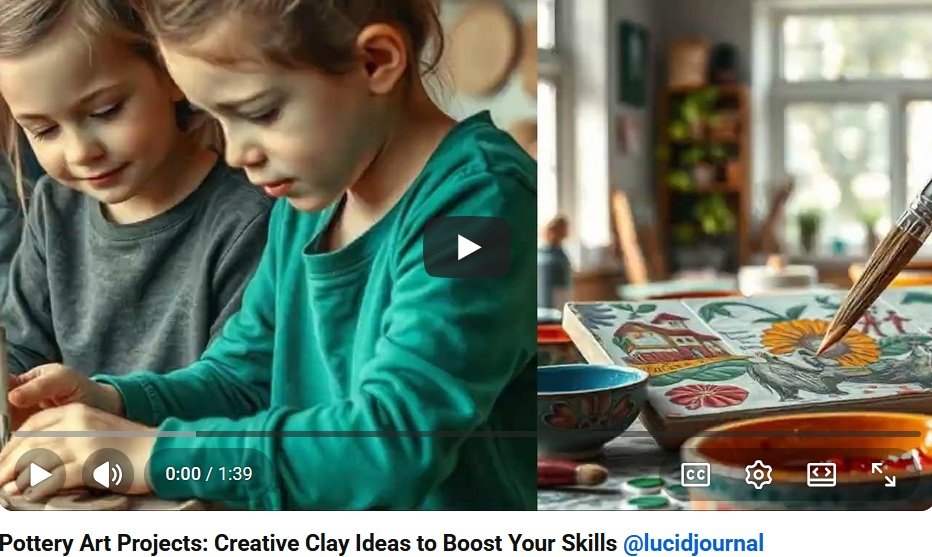
One of the most exciting aspects of pottery is the limitless creative potential of clay. From functional mugs and bowls to imaginative sculptures and decorative art pieces, pottery allows artists to transform simple earth into meaningful works of art. Whether you are a beginner exploring ceramics for the first time or an experienced artist looking for fresh inspiration, creative pottery projects can help develop your skills while expressing your unique artistic vision.
For students and artists at 3DArtSchool.net, pottery is more than a craft—it is a powerful way to understand form, structure, texture, balance, and three-dimensional design. Every pottery project offers an opportunity to experiment, learn, and grow as a creator.
Why Creative Pottery Projects Matter
Creative pottery projects help artists move beyond technical skills and explore personal expression. While learning the basics of hand building, wheel throwing, glazing, and firing is important, creativity is what transforms pottery into art.
Unique projects encourage artists to:
- Develop original ideas
- Improve problem-solving skills
- Explore texture and form
- Experiment with color and glazing
- Build confidence in three-dimensional design
- Create meaningful artwork
Every project becomes a chance to discover new techniques and artistic possibilities.
1. Handmade Textured Mugs
Textured mugs are among the most popular pottery projects for beginners and experienced artists alike. Instead of creating a smooth surface, artists can press natural materials such as leaves, lace, fabric, or carved stamps into the clay.
Creative texture transforms an ordinary mug into a unique functional artwork. Different glaze combinations can further highlight the surface details after firing.
2. Personalized Ceramic Name Plates
Name plates are excellent projects for students because they combine lettering, design, and clay construction. Artists can create custom signs for bedrooms, classrooms, offices, gardens, or studios.
Decorative elements such as flowers, animals, geometric patterns, or favorite hobbies can make each piece truly personal.
3. Decorative Wall Tiles
Ceramic wall tiles offer endless opportunities for creativity. Artists can carve designs, create relief sculptures, stamp patterns, or paint colorful glaze illustrations.
Multiple tiles can be combined into larger wall installations that tell a story or create a visual theme.
Wall tiles are especially useful for students learning about composition and visual storytelling.
4. Animal Sculptures
Animal sculptures are fun projects that help artists study anatomy, movement, and form. Students can create realistic animals or imaginative fantasy creatures.
Popular pottery animal projects include:
- Owls
- Cats
- Dogs
- Turtles
- Foxes
- Dragons
- Birds
- Dinosaurs
These projects encourage observation skills while allowing plenty of creative freedom.
5. Fantasy Creature Pottery
Fantasy pottery projects combine sculpture and imagination. Artists can design dragons, magical creatures, mythical beasts, alien life forms, or entirely original characters.
These projects are particularly appealing to students interested in animation, gaming, storytelling, and character design.
Fantasy sculptures help develop three-dimensional visualization skills that are valuable across many creative fields.
6. Handmade Ceramic Planters
Planters are among the most practical pottery projects. They can be created in traditional shapes or transformed into artistic statement pieces.
Creative planter ideas include:
- Animal-shaped planters
- Face planters
- Geometric planters
- Hanging planters
- Fantasy-themed planters
- Textured garden planters
Planters combine functionality with artistic design and remain popular handmade gifts.
7. Storytelling Ceramic Bowls
Artists can use bowls as storytelling surfaces. Carved images, symbols, patterns, and illustrations can transform a simple bowl into a narrative artwork.
Examples include:
- Nature themes
- Historical scenes
- Family stories
- Cultural traditions
- Personal journeys
Storytelling bowls help artists connect visual design with meaning and emotion.
8. Ceramic Lanterns
Lantern projects combine pottery with light. Artists create clay lanterns with decorative cut-out designs that allow light to shine through after firing.
Popular themes include:
- Stars and moons
- Forest scenes
- Geometric patterns
- Ocean designs
- Holiday decorations
The interaction between clay and light creates beautiful visual effects.
9. Functional Kitchen Pottery
Many ceramic artists enjoy creating pottery that people can use every day. Functional projects include:
- Mugs
- Bowls
- Plates
- Spoon rests
- Butter dishes
- Serving trays
- Tea cups
- Sugar bowls
Adding creative handles, textures, carvings, or glazes can make these everyday items unique works of art.
10. Ceramic Jewelry
Small-scale ceramic jewelry projects are excellent for students because they require less clay and shorter production times.
Artists can create:
- Pendants
- Earrings
- Bracelets
- Buttons
- Decorative beads
Ceramic jewelry offers opportunities to experiment with color, pattern, and texture.
11. Seasonal and Holiday Pottery
Seasonal pottery projects are popular throughout the year. Artists can create decorations inspired by different holidays and celebrations.
Ideas include:
- Pumpkins for autumn
- Snowmen for winter
- Easter decorations
- Halloween lanterns
- Christmas ornaments
- Valentine's Day gifts
Seasonal projects make excellent gifts and marketable handmade products.
12. Abstract Ceramic Art
Not every pottery project needs a practical purpose. Abstract ceramic sculptures encourage artists to focus on form, balance, texture, and emotion.
Abstract work often allows greater artistic freedom because there are no rules regarding realism or functionality.
This style is particularly useful for students exploring contemporary art and sculpture.
13. Ceramic Self-Portraits
Creating self-portraits in clay is both challenging and rewarding. Artists can sculpt faces, masks, busts, or symbolic representations of themselves.
These projects encourage self-expression while teaching anatomy, proportion, and observation skills.
14. Nature-Inspired Pottery
Nature provides endless inspiration for ceramic artists. Leaves, flowers, trees, shells, mountains, and animals can all influence pottery designs.
Artists often press natural materials directly into clay to capture detailed textures and patterns.
Nature-inspired pottery connects creativity with the natural world and encourages observation.
15. Collaborative Ceramic Murals
For classrooms and group projects, ceramic murals offer a fun collaborative experience. Each participant creates individual tiles that combine into a larger artwork.
Collaborative projects teach teamwork while allowing every artist to contribute their own creative ideas.
How Creative Pottery Supports 3D Design Skills
Creative pottery projects help artists understand important three-dimensional concepts such as:
- Volume
- Balance
- Scale
- Proportion
- Texture
- Structural design
- Visual storytelling
These same skills are used in sculpture, industrial design, architecture, animation, game development, and digital modeling.
For students at 3DArtSchool.net, pottery provides hands-on experience that strengthens artistic thinking across multiple disciplines.
Tips for Finding Your Own Pottery Ideas
- Keep a sketchbook of ideas.
- Study nature and everyday objects.
- Visit museums and galleries.
- Experiment with new techniques.
- Combine pottery with storytelling.
- Explore different cultures and art styles.
- Create projects based on personal interests.
The best pottery ideas often come from curiosity and experimentation.
Final Thoughts
Creative pottery projects offer endless opportunities for artistic growth and self-expression. From textured mugs and ceramic jewelry to fantasy sculptures and collaborative murals, every project helps artists develop new skills while exploring their imagination.
Whether you are a student, hobbyist, or professional ceramic artist, the most important thing is to keep creating. Pottery is a journey of discovery where every project teaches something new.
With clay in your hands and an open mind, there is no limit to what you can create.
Pottery Related Articles
Common Pottery Mistakes Beginners Make and How to Avoid Them
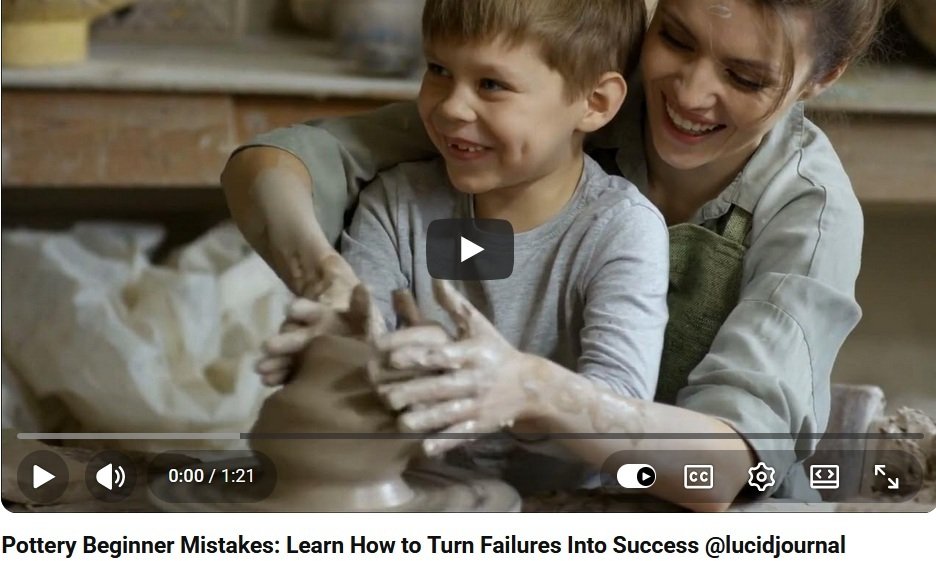
Learning pottery is an exciting creative journey, but every beginner encounters challenges along the way. Cracked bowls, warped mugs, uneven walls, glaze disasters, and broken pieces are all part of the learning process. Even professional ceramic artists have shelves filled with pottery projects that did not turn out as planned.
The good news is that most pottery mistakes can be prevented once you understand why they happen. By recognizing common beginner errors and learning how to avoid them, you can improve your skills faster and create stronger, more beautiful ceramic pieces.
For students and artists at 3DArtSchool.net, understanding these common mistakes is an important step toward mastering pottery and developing confidence in three-dimensional art.
Why Pottery Mistakes Are Valuable
Before discussing specific mistakes, it is important to understand that mistakes are not failures. Every cracked pot, uneven vase, or glaze surprise teaches valuable lessons about clay, moisture, structure, temperature, and design.
Many successful ceramic artists credit their growth to the lessons learned from projects that did not go according to plan. Pottery is a craft that rewards patience and persistence.
Mistake #1: Not Wedging the Clay Properly
One of the most common beginner pottery mistakes is skipping or rushing the wedging process. Wedging removes air bubbles and creates an even moisture content throughout the clay.
What Happens?
- Air pockets can cause cracks.
- Pieces may weaken during firing.
- Clay becomes uneven and difficult to shape.
How to Avoid It
Spend several minutes wedging clay thoroughly before every project. Think of wedging as preparing the foundation for a successful piece.
Mistake #2: Making Walls Too Thin
Many beginners try to create delicate pottery before they fully understand clay structure. Thin walls may look elegant, but they are often fragile and difficult to dry evenly.
What Happens?
- Cracks during drying.
- Breakage during handling.
- Collapse while throwing or building.
How to Avoid It
Keep walls slightly thicker until you gain more experience. Consistent thickness is often more important than extreme thinness.
Mistake #3: Uneven Clay Thickness
Another common problem occurs when one area of a piece is much thicker than another.
What Happens?
- Uneven drying.
- Warping.
- Stress fractures.
- Weak structural areas.
How to Avoid It
Check thickness regularly while building or throwing. Aim for consistent wall thickness throughout the piece.
Mistake #4: Drying Pottery Too Quickly
Patience is critical in pottery. Many beginners try to speed up drying by placing pieces in direct sunlight or near heaters.
What Happens?
- Cracks develop.
- Warping occurs.
- Stress builds within the clay.
How to Avoid It
Allow pottery to dry slowly and evenly. Cover pieces loosely with plastic if needed and avoid sudden temperature changes.
Mistake #5: Forgetting to Score and Slip
When joining clay pieces together, many beginners simply press the pieces into place without proper preparation.
What Happens?
- Handles fall off.
- Decorations detach.
- Joints separate during drying or firing.
How to Avoid It
Always score both surfaces and apply slip before attaching clay components. This creates a stronger bond.
Mistake #6: Using Too Much Water
Water is essential when working with clay, but beginners often use too much.
What Happens?
- Clay becomes weak.
- Walls collapse.
- Pieces lose their shape.
- Drying takes longer.
How to Avoid It
Use only the amount of water necessary. A damp sponge is often better than pouring water directly onto the clay.
Mistake #7: Rushing Wheel Throwing
Many beginners become frustrated when they cannot immediately create perfect bowls or mugs on the pottery wheel.
What Happens?
- Poorly centered clay.
- Uneven walls.
- Collapsed forms.
- Frustration and wasted clay.
How to Avoid It
Focus first on centering the clay. Mastering centering is the foundation of successful wheel throwing.
Mistake #8: Glazing Too Thick
Glazing mistakes are extremely common among beginners. Applying too much glaze may seem like a way to achieve richer color, but it often creates problems.
What Happens?
- Glaze drips during firing.
- Kiln shelves become damaged.
- Surface defects appear.
- Colors may become muddy.
How to Avoid It
Follow glaze manufacturer recommendations and apply thin, even coats.
Mistake #9: Forgetting to Clean the Bottom
Beginners sometimes glaze the entire piece, including the bottom surface.
What Happens?
- The pottery sticks to the kiln shelf.
- Kiln damage occurs.
- The piece may be ruined.
How to Avoid It
Always wipe glaze off the foot ring and bottom surfaces before firing.
Mistake #10: Opening the Kiln Too Soon
Few things are more tempting than opening a kiln immediately after a firing. However, this is a common mistake.
What Happens?
- Thermal shock.
- Cracks develop.
- Pottery breaks unexpectedly.
How to Avoid It
Allow the kiln to cool completely before opening it. Patience protects your work.
Mistake #11: Ignoring Clay and Glaze Compatibility
Not all glazes work with every clay body. Using incompatible materials can lead to disappointing results.
What Happens?
- Crazing.
- Peeling glaze.
- Poor color development.
- Weak surfaces.
How to Avoid It
Use glazes recommended for your clay type and firing temperature.
Mistake #12: Not Testing New Glazes
Every glaze behaves differently. Many beginners apply new glazes directly to important projects without testing them first.
What Happens?
- Unexpected colors.
- Running glazes.
- Surface defects.
- Disappointing results.
How to Avoid It
Create test tiles and keep records of firing temperatures, glaze combinations, and results.
Mistake #13: Comparing Yourself to Experienced Artists
One of the biggest non-technical mistakes beginners make is expecting professional results immediately.
What Happens?
- Loss of confidence.
- Frustration.
- Giving up too soon.
How to Avoid It
Focus on progress rather than perfection. Every expert ceramic artist was once a beginner.
Creating a Pottery Learning Journal
One of the best ways to improve is by keeping a pottery journal. Record:
- Clay type used.
- Glazes applied.
- Firing temperatures.
- Successful techniques.
- Mistakes encountered.
- Ideas for future projects.
A pottery journal becomes a valuable learning resource over time.
How Pottery Mistakes Improve Artistic Skills
Every pottery mistake teaches important lessons about design, structure, materials, and creativity. Artists learn how to solve problems, adapt techniques, and improve craftsmanship.
For students studying three-dimensional art, these lessons extend beyond pottery into sculpture, industrial design, architecture, engineering, and digital modeling.
The ability to learn from mistakes is one of the most important artistic skills anyone can develop.
Tips for Faster Improvement
- Practice consistently.
- Start with simple projects.
- Learn one technique at a time.
- Ask instructors for feedback.
- Study successful ceramic artists.
- Experiment without fear of failure.
- Keep detailed notes.
Small improvements accumulate into major artistic growth over time.
Final Thoughts
Common pottery mistakes are part of every artist's journey. Cracks, glazing issues, uneven walls, and firing surprises happen to everyone. The key is understanding why they occur and learning how to prevent them in future projects.
By wedging properly, controlling moisture, drying slowly, glazing carefully, and practicing patience throughout the pottery process, beginners can dramatically improve their results.
Remember that every piece of pottery—even the imperfect ones—teaches something valuable. The more you create, the more confident and skilled you will become. In pottery, mistakes are not obstacles; they are stepping stones to mastery.
Pottery Related Articles